There was a time when a video game release meant a finished product. You paid fifty bucks, put the disc into your machine, and played what the developers built. Today, the Steam store is dominated by a different economic model: Early Access.
Promised as a way for indie studios to fund ambitious projects through community support, Early Access was meant to democratize game development. Instead, for many titles—particularly in the survival, crafting, and RPG genres—Early Access has turned into an endless development loop where core mechanics are continually overhauled, roadmaps are abandoned, and games remain stuck in perpetual beta for nearly a decade.
If you’ve ever come back to a survival game after six months only to find your build wiped, your skill tree replaced, and the core gameplay completely changed, you’ve experienced the Early Access trap.
The Endless Alpha: When “1.0” Loses Its Meaning
The primary feature of the Early Access business model is that it removes the financial incentive to ship a polished product. Once a game generates 80% of its total lifetime revenue during its initial Early Access launch wave, the urgency to reach a true 1.0 release disappears.
Instead of bug fixes, performance optimization, and endgame content, developers fall into the Rework Cycle:
- Launch in Early Access with a compelling core loop.
- Accumulate a massive player base based on potential rather than reality.
- Stall on optimization as technical debt builds up.
- Overhaul core systems (progression, crafting, stamina, combat) to manufacture hype for a new patch.
- Alienate veteran players, wipe servers, and repeat.
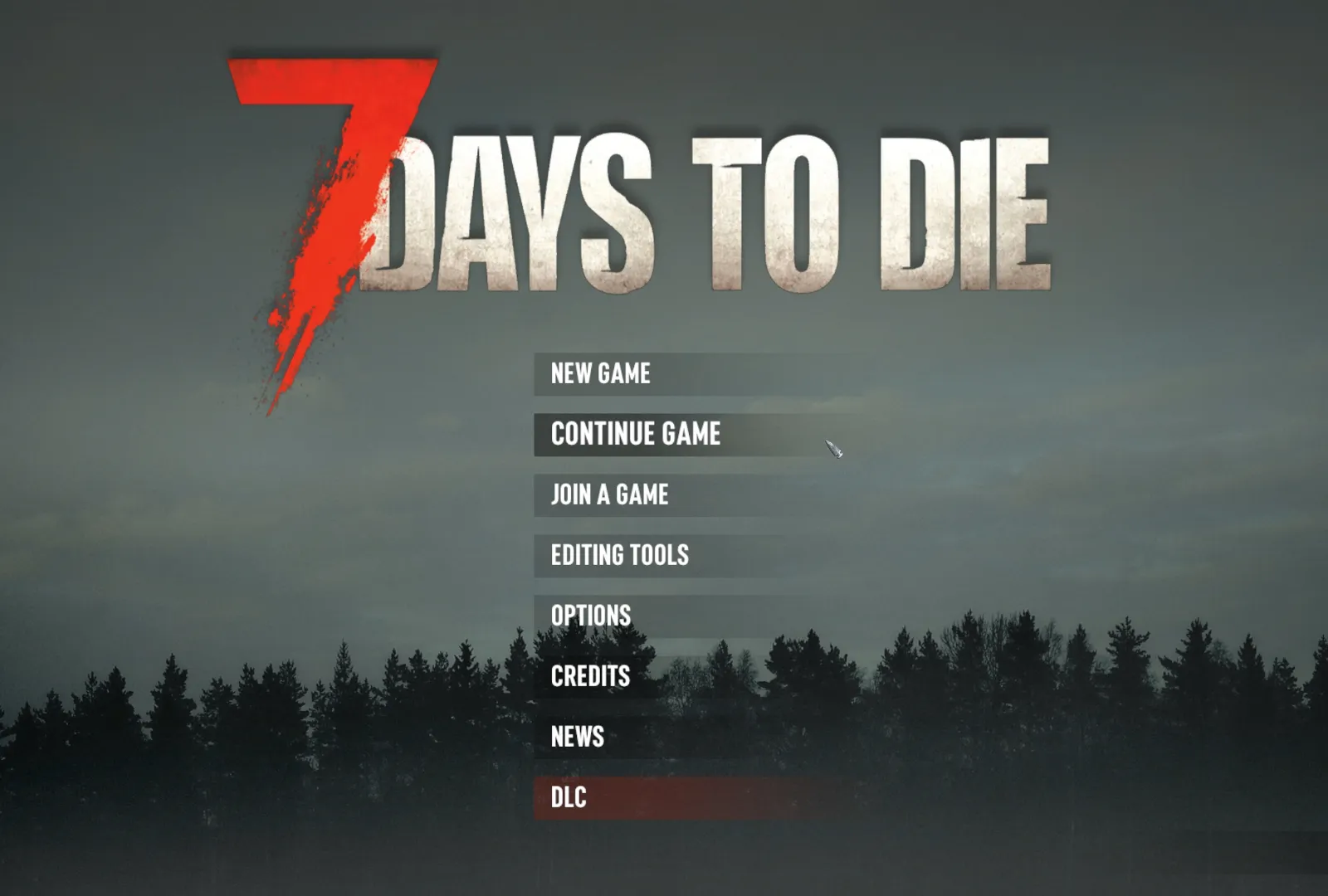
We saw this dynamic play out with 7 Days to Die, which famously spent over 10 years in Early Access before officially slapping a “1.0” tag on the store page. Despite the arbitrary milestone, players who stuck around for a decade spent years watching basic crafting systems, skill trees, and zombie AI get completely rewritten multiple times rather than polished.
The Economics of Perpetual Beta: Why Studios Don’t Finish
To understand why games get stuck in Early Access, you have to follow the money. In traditional game development, milestone payments are tied to delivery. In Early Access, cash flow is front-loaded.
Traditional Model:  [Dev Phase] ------------> [Release 1.0] ===> (Revenue Peak)
Early Access Model: [EA Launch] ===> (80% Revenue) ------------> [Endless Updates]
- Front-Loaded Funding: Studios receive the majority of their income on Day 1 of Early Access launch, removing the traditional publisher deadline.
- The Steam Algorithm Trap: Valve’s storefront rewards activity, not completion. Releasing a massive “Overhaul 2.0 Patch” brings a spike of returning players and bumps the game back onto the Trending tab. Finishing the game and moving on offers no such recurring spike.
- Shield Against Reviews: The “Early Access” tag acts as a permanent immunity shield against negative reviews. Critical bug reports, terrible optimization, and broken netcode are dismissed with a single phrase: “It’s still in Alpha.”
Case Studies in Update Fatigue
When Early Access goes wrong, it creates update fatigue. Players don’t quit because the game lacks content; they quit because learning the game feels like a moving target.
1. Constant Mechanics Overhauls (Icarus, 7 Days to Die)
When session-based survival game Icarus launched, it promised high-stakes orbital drops where failing to extract meant losing your character permanently. Shortly after launch, development pivoted hard toward open-world survival, drastically shifting the core loop. While continuous weekly updates show developer commitment, frequent structural pivots leave early adopters feeling like test subjects for a moving concept rather than players of a cohesive game.
2. Feature Creep vs. Optimization (ARK, Palworld)
Survival craft titles are notorious for adding new creatures, biomes, and microtransactions while ignoring severe memory leaks and rendering issues. ARK: Survival Evolved notoriously released paid DLC while still in Early Access, setting a dangerous precedent for monetizing unfinished software.
The Psychological Hook: Selling Potential, Not Products
Why do gamers keep buying Early Access games despite getting burned?
Early Access marketing doesn’t sell what a game is; it sells what the game could become. Developers publish ambitious Trello boards and roadmaps packed with promised features: dedicated server support, multi-classing setups, deep procedural generation, and infinite endgame content.
Gamers buy the fantasy of participating in a dev team’s journey. But when feature roadmaps collide with engine limitations, scope creep, and dwindling funds, those promises are quietly archived.
Gamer Burnout: The Human Cost of “Living Services”
Endless Early Access doesn’t just stall game development—it destroys player communities through systemic fatigue:
- The Wipe Cycle Exhaustion: Survival craft fans put hundreds of hours into building bases, automating resource lines, and min-maxing gear, only for a unexpected engine update to wipe all server progress.
- The “Wait for 1.0” Paralysis: A massive subset of gamers now buy Early Access titles on sale, play for 3 hours, and put them in a Steam collection folder labeled “Play when finished”—a day that frequently never comes.
- Splintered Communities: Early adopters who fell in love with Version 0.2 get pushed out when Version 0.8 redesigns the entire game to appeal to a broader casual market.
The Blueprint: What “Early Access Done Right” Looks Like
Not every Early Access title is a trap. The games that succeed use a very specific framework that separates them from perpetual alphas:
| Trait | The Early Access Trap | The Gold Standard (Hades, Subnautica, Valheim) |
| Core Gameplay Loop | Rebuilt multiple times based on forum feedback. | Locked in on Day 1; updates only add content, depth, and polish. |
| Development Focus | Adding new features while performance degrades. | Bug fixing and optimization alongside content releases. |
| Roadmap Execution | Missing dates, shifting goals, abandoned Trello boards. | Strict timelines with realistic, scoped promises. |
| Exit Strategy | Staying in Alpha 5+ years until interest dies out. | Clear, published target 1.0 release date from early development. |
How to Spot an Early Access Red Flag Before Buying
If you want to support indie developers without throwing money into a digital graveyard, evaluate Early Access titles using these three criteria:
- The Optimization First Rule: Check recent Steam reviews specifically for technical performance. If a game has been in Early Access for more than two years and still runs poorly on mid-to-high-end hardware, new content updates won’t fix it.
- Beware the System Rework: Check the patch notes history. If the studio is constantly replacing established systems (like changing skill trees three times in two years), it means they don’t have a clear design document.
- Roadmap vs. Execution: Look at the original launch roadmap. Did the developers deliver core features on time, or did they pivot toward cosmetic updates and DLC?
The Verdict: Is Early Access Broken?
Early Access isn’t inherently evil—masterpieces like Hades, Subnautica, and Valheim proved that community-driven development can produce legendary games.
However, as a consumer model, Early Access currently shifts all the financial risk from the publisher to the player. Until gamers stop pre-ordering potential and start demanding finished loop mechanics, studios will continue using Early Access as a shield against criticism and a permanent tax on player patience.